Were the Ancient Israelites Black?
Were the Ancient Israelites Black?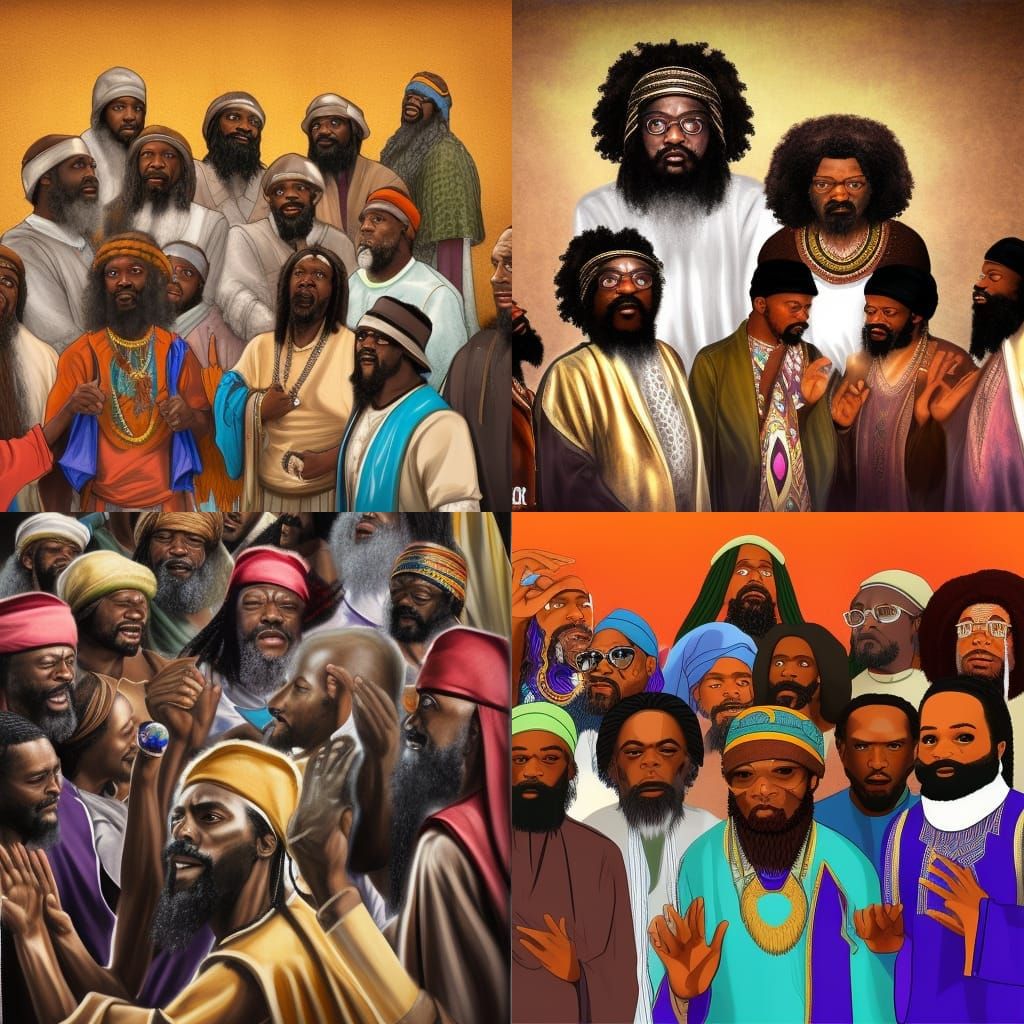
A Historical, Biblical, and Cultural Investigation
The identity and ethnic origins of the ancient Israelites have long been debated by historians, theologians, and scholars. But in recent decades, one question has sparked renewed interest—were the original Israelites Black?
This post will explore historical, biblical, linguistic, and cultural evidence that challenges the modern portrayal of Israelites as light-skinned, Middle Eastern or European-looking people. Could the chosen people of the Bible have been Black Africans or Afro-Asiatics?
📜 What Do the Scriptures Say?
While the Bible doesn’t give a detailed racial breakdown, it does offer clues:
-
Moses mistaken as an Egyptian (Exodus 2:19): Egyptians were African and depicted with dark skin in ancient murals.
-
Paul mistaken for an Egyptian (Acts 21:38): Again, another Israelite confused for an African.
-
Solomon’s bride says: “I am Black but comely” (Song of Solomon 1:5): The original Hebrew is closer to "I am Black and beautiful," not “but.”
-
Canaan, Mizraim (Egypt), and Cush (Ethiopia) are descendants of Ham, the father of many African nations. Yet Israel shared land borders, customs, and intermarriages with these peoples.
These clues suggest the Israelites looked similar to neighboring African nations.
🌍 Geography & Environment
The ancient land of Israel—Canaan—was not in Europe. It was at the crossroads of North-East Africa and the Arabian Peninsula. Ancient Israel bordered:
-
Egypt (Mizraim) to the southwest
-
Cush (Sudan/Ethiopia) to the south
-
Phoenicia, Moab, and Edom—Semitic peoples often depicted with brown or dark skin
These were hot, desert climates—people living there would naturally have dark to brown skin.
📚 Historical and Cultural Evidence
1. Ancient Egyptian Art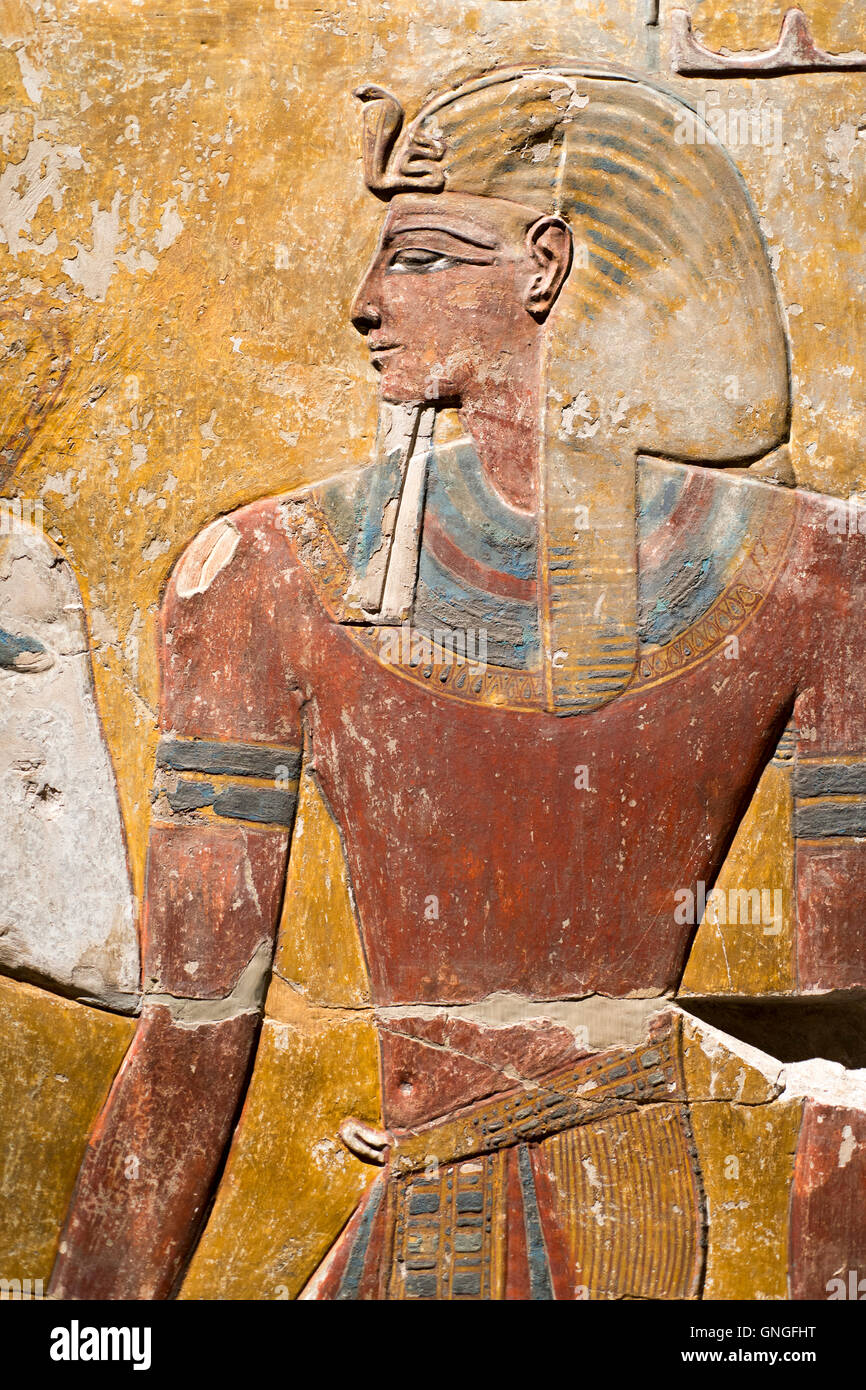
Israelites, like other Semitic groups, appear in Egyptian murals as brown-skinned with African features. Some depictions (like those in the tomb of Rekhmire) show them darker than modern Middle Easterners.
2. Tacitus, the Roman Historian (1st century)
In Histories 5.2, Tacitus describes the Jews as people “prone to melancholy, dark-skinned, and frizzy-haired.” He compared them to Ethiopians and Egyptians—which would imply African features.
3. Arab and Medieval Accounts
Early Arab historians (such as al-Masudi) referred to the Israelites as dark-skinned people. Jewish communities in Yemen, Ethiopia, and West Africa retained their identity and Semitic customs for centuries.
✡️ The Falasha (Beta Israel) of Ethiopia

The Beta Israel—an ancient Black Jewish community in Ethiopia—have practiced Torah-based Judaism for over 2,000 years. Many scholars now believe they descend from the tribe of Dan or other lost tribes of Israel.
The Israeli government officially recognized them as Jews under the Law of Return in the 20th century. Why would Black African Jews be recognized if Israelites were never Black?
🌍 The Lemba People of Southern Africa
Another fascinating case is the Lemba tribe in Zimbabwe and South Africa. They:
-
Observe kosher laws
-
Practice circumcision on the 8th day
-
Use Star of David-like symbols
-
Claim descent from Jewish priests who migrated from the Middle East
Genetic studies found that many Lemba men carry the Cohen Modal Haplotype—a marker common among Jewish priestly descendants.
🧬 What About DNA?
Modern Jews (Ashkenazi, Sephardi, Mizrahi) are often of mixed ancestry. Centuries of exile, intermarriage, and conversion have changed their genetic profile.
However, genetic traces of African ancestry have been found in some Middle Eastern and Mediterranean Jewish communities.
It’s also important to ask: Are we measuring true Israelite ancestry—or just modern population genetics post-scattering?
🛑 Why This Is Controversial
The idea of Israelites being Black challenges:
-
Western biblical iconography (white Jesus, white Moses)
-
Zionist nationalism, which ties modern Israel to European-descended Jews
-
Colonial-era narratives that suppressed African religious heritage
It also empowers Black communities to reclaim a lost or suppressed identity.
Some groups, such as the Hebrew Israelites, teach that most Israelites were indeed Black and that today’s descendants are found across the African diaspora—in America, the Caribbean, and Africa.
👁️ Hidden History or Forbidden Truth?
Many researchers believe this truth has been deliberately obscured:
-
Renaissance paintings “whitened” biblical figures
-
African Jewish tribes were marginalized or dismissed as “fakes”
-
Early European scholars ignored non-European expressions of Judaism
In truth, faithful Torah observance and Semitic lineage existed far beyond Europe.
📚 Sources Worth Exploring
-
From Babylon to Timbuktu – Rudolph Windsor
-
The Thirteenth Tribe – Arthur Koestler
-
African Presence in Early Asia – Ivan Van Sertima
-
Lost Tribes and Promised Lands – Ronald Sanders
-
DNA Research on Lemba Tribe – BBC
🧠 Final Thoughts
So, were the ancient Israelites Black?
-
Historically: There’s strong evidence many were Afro-Asiatic, dark-skinned Semites, indistinguishable from Africans or Egyptians.
-
Culturally: Judaism thrived in Black Africa for centuries—before it reached Europe in large numbers.
-
Biblically: Scripture contains more clues pointing toward dark-skinned prophets than modern media admits.
In the end, the truth may have been hidden to maintain power, division, and false narratives. But today, more people are waking up to ask:
“Who were the true Hebrews?”
📝 Disclaimer:
This post is for informational and educational purposes. It explores cultural and psychological theories related to media and entertainment and does not claim that all symbols or themes in media are part of any organized agenda.


Comments
Post a Comment