The Knights Templar: Warriors of God or Guardians of Hidden Knowledge?
⚔️ The Knights Templar: Warriors of God or Guardians of Hidden Knowledge?
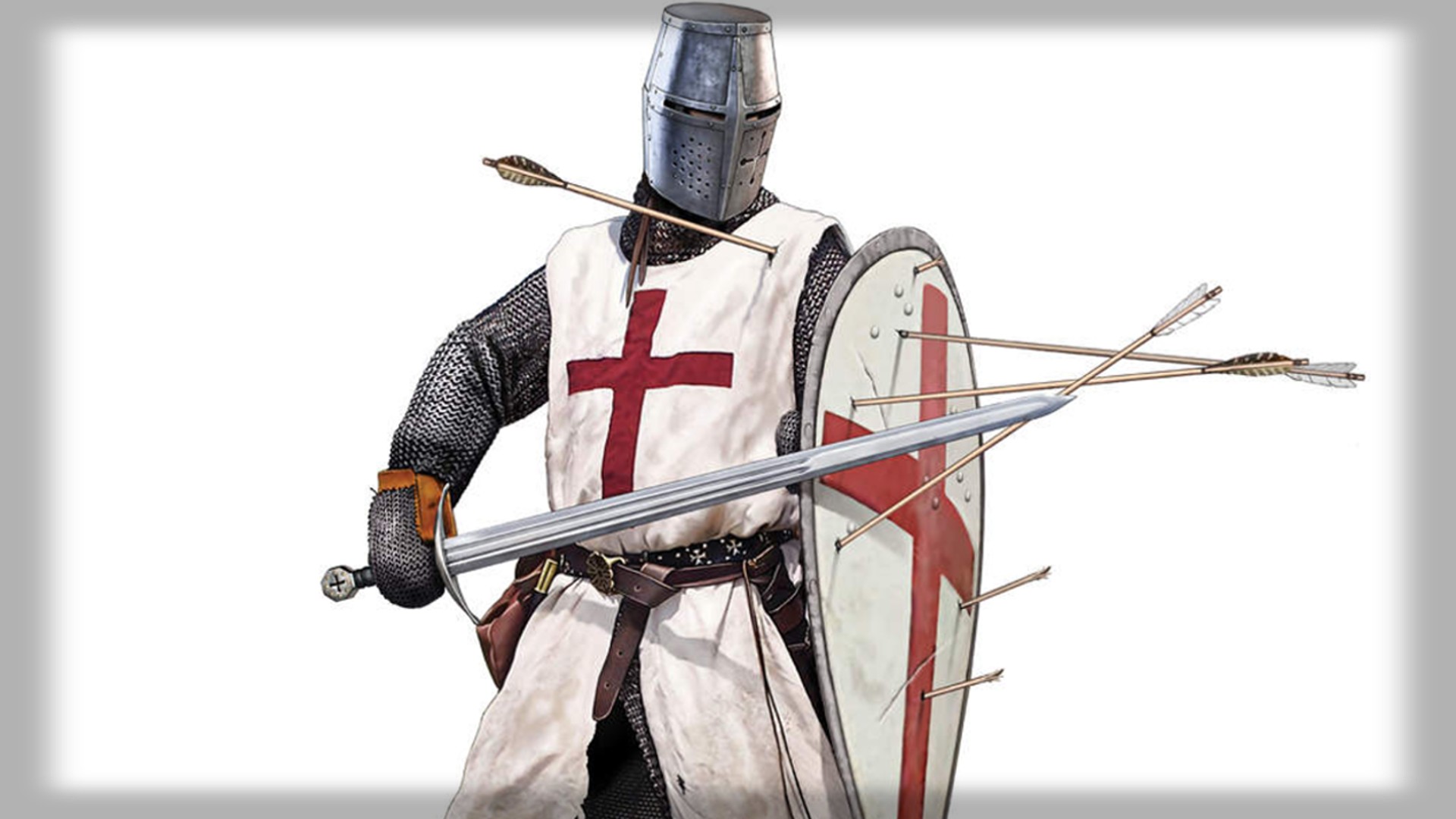
The Knights Templar—famed Crusaders cloaked in white and marked by a red cross—have long stood at the intersection of faith, power, and secrecy. While mainstream history paints them as elite warrior monks of medieval Christendom, others believe their mission extended far beyond the battlefield.
Were they simply defenders of the Holy Land? Or did they uncover—and protect—arcane knowledge, sacred relics, and mystical traditions lost to time?
🏰 Who Were the Templars?
Formed in 1119 CE, shortly after the First Crusade, the Poor Fellow-Soldiers of Christ and of the Temple of Solomon (later known as the Knights Templar) were charged with protecting Christian pilgrims en route to Jerusalem.
Key facts:
-
Founded by Hugues de Payens and eight knights
-
Headquartered on the Temple Mount in Jerusalem (believed to be the site of Solomon’s Temple)
-
Gained enormous wealth, land, and influence across Europe
-
Operated under papal authority, exempt from taxes and local laws
-
Known for their strict code of conduct and military prowess
Over time, they evolved into bankers, landowners, and power brokers, managing assets for kings and nobles across Christendom.
🧱 The Temple Mount Mystery
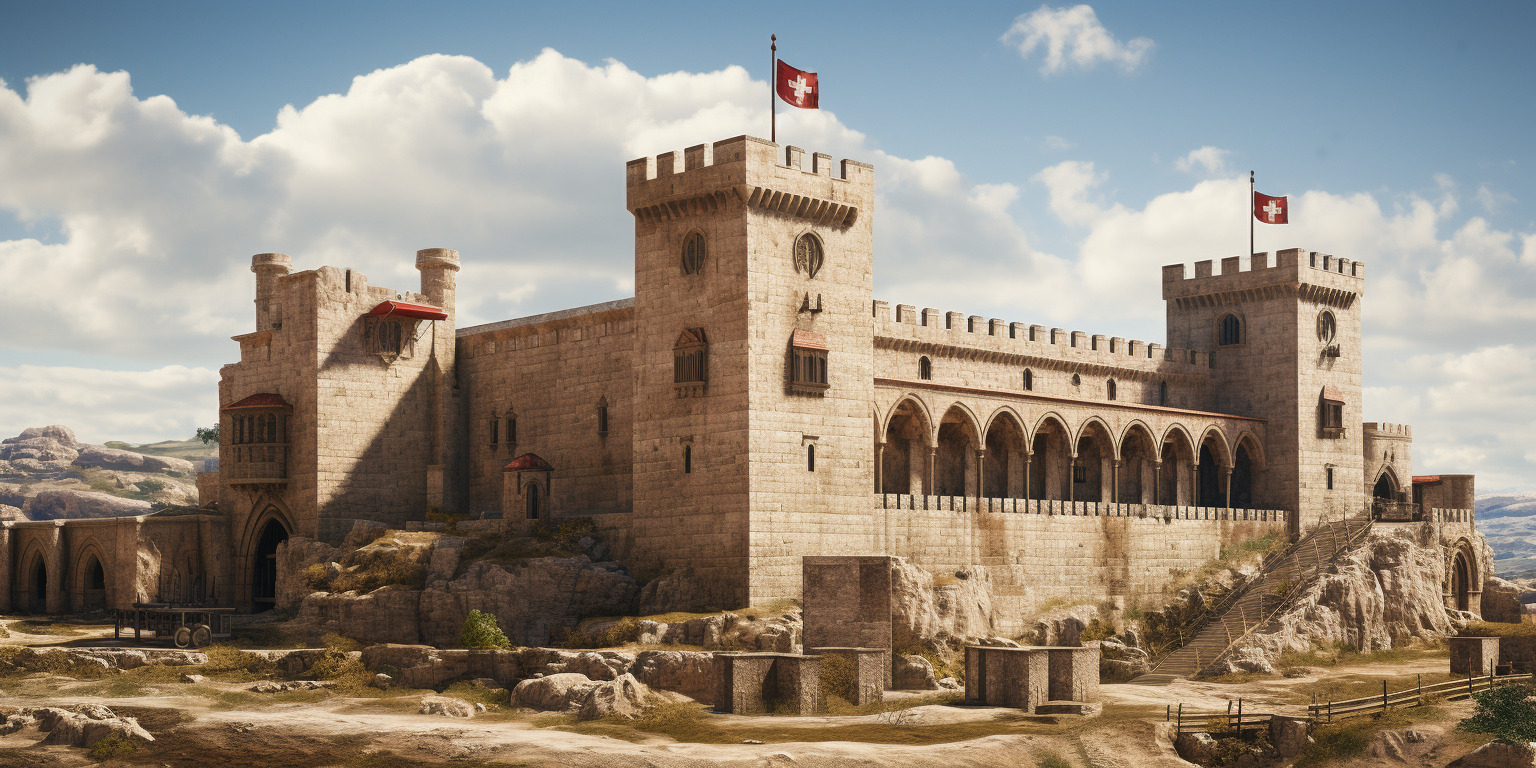
The Templars’ headquarters was not just any location—it was believed to be the site of Solomon’s Temple, a structure rich with religious and esoteric significance.
Some theorists argue that during their time in Jerusalem, the Templars excavated hidden relics or scrolls beneath the Temple Mount, including:
-
The Ark of the Covenant
-
The Holy Grail
-
Ancient texts from pre-Christian or even pre-Israelite civilizations
-
Secrets of sacred geometry, Kabbalah, or Atlantean knowledge
There are no surviving records of what they found—but their sudden rise in power has led many to suspect it wasn’t just military skill that elevated them.
🔺 The Fall of the Templars
By the early 1300s, the Templars had grown too powerful—and too independent.
In 1307, King Philip IV of France, deeply in debt to the Templars, conspired with Pope Clement V to eliminate them. On Friday the 13th, October 1307, hundreds of Templars were arrested, tortured, and accused of:
-
Heretical practices (denying Christ, spitting on the cross)
-
Occult rituals involving a mysterious head called Baphomet
-
Homosexual rites and secret oaths
Though evidence was dubious, the charges stuck. In 1312, the order was officially dissolved. Jacques de Molay, the last Grand Master, was burned at the stake in 1314.
According to legend, de Molay cursed the Pope and the King as he died—and both were dead within a year.
🧠 The Esoteric Legacy
Even after their dissolution, the Templar myth only grew. Theories about their survival, hidden treasures, and spiritual mission have inspired:
-
Freemasonry: Many believe modern Freemasons are spiritual successors of the Templars, preserving their symbols and ideals
-
The Priory of Sion: Alleged secret society said to guard bloodline secrets of Christ and Mary Magdalene
-
The Rosicrucians: Mystical Christian order claiming ancient Egyptian and Templar lineage
-
The Holy Grail: Some say the Templars found and hid the Grail—not as a cup, but as esoteric truth or divine bloodline
Authors like Dan Brown, researchers like Graham Hancock, and conspiracy theorists alike have connected the Templars to:
-
The New World Order
-
Hidden treasure in Rennes-le-Château
-
Secret voyages to the Americas before Columbus
-
Even the foundations of the United States
🔍 Where Are They Now?
There are persistent rumors that:
-
Surviving Templars fled to Scotland, helping build Rosslyn Chapel, filled with arcane carvings
-
Others crossed the seas, founding secret lodges in Europe and beyond
-
Some morphed into modern Freemasonic orders like the York Rite or Knights Templar Degree
Today, several fraternal orders claim lineage from the Templars—but whether these links are historical or symbolic remains debated.
🧩 Final Reflections
Were the Knights Templar simply a powerful Catholic military order? Or did they become guardians of lost knowledge—destroyed for what they knew, not what they did?
The truth may lie buried beneath Jerusalem… or encoded in rituals and symbols passed down through centuries of secret societies.
One thing is certain:
The Templars have never truly vanished.
📝 Disclaimer:
This post is for informational and educational purposes. It explores cultural and psychological theories related to media and entertainment and does not claim that all symbols or themes in media are part of any organized agenda.


Comments
Post a Comment